
Paytm Post-Mortem: 3 Indian Startups That Will Die Next
Disclaimer:
This article is for informational purposes only and does not constitute financial, investment, or business advice. The opinions expressed are based on market trends and publicly available data. Readers are encouraged to conduct their own research before making any decisions related to the mentioned companies.
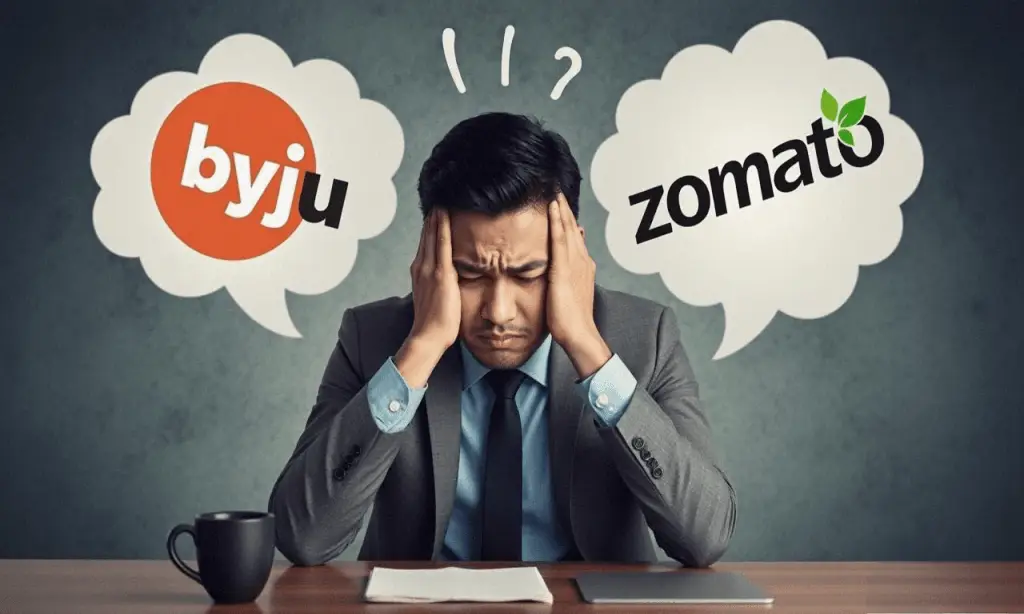
The Fall of Paytm: A Lesson in Startup Survival
Paytm, once the poster child of India’s fintech revolution, has faced a catastrophic downfall, plagued by regulatory crackdowns, profitability concerns, and strategic missteps. Once a unicorn, it has struggled to sustain its business model amid intense competition, evolving consumer preferences, and investor skepticism. But Paytm's downfall is not an isolated case—it signals potential trouble for several other high-profile Indian startups that may follow a similar trajectory.
Here, we examine three Indian startups that, based on current industry trends, financial health, and market challenges, might struggle to survive in the coming years.
1. Byju’s – From EdTech Titan to Debt-Ridden Giant
Byju’s, once India’s most valued edtech startup, has been on a steady decline due to mismanagement, aggressive expansion, and financial instability. The company’s aggressive acquisition spree, including WhiteHat Jr and Aakash Educational Services, led to mounting debts, while declining student retention and regulatory scrutiny have further complicated its survival.
Key Issues:
- Massive debt burden: Byju’s took on billions in loans, which are now becoming difficult to service.
- Declining revenues: The post-pandemic slowdown in online education demand has severely impacted its cash flow.
- Regulatory scrutiny: Complaints regarding aggressive sales tactics and misleading advertisements have tarnished its reputation.
2. Zomato – Food Delivery with Uncertain Profitability
Despite being a major player in India’s food delivery space, Zomato has struggled with profitability due to intense competition and high operational costs. Although it managed to acquire Blinkit and expand into quick-commerce, concerns over its sustainability remain high.
Key Issues:
- Thin profit margins: The food delivery business operates on razor-thin margins, making it difficult to sustain long-term profits.
- Heavy competition: Swiggy, Amazon’s food delivery experiments, and smaller cloud kitchens pose a constant threat.
- Regulatory and taxation challenges: Changing tax structures and compliance costs add to Zomato’s financial woes.
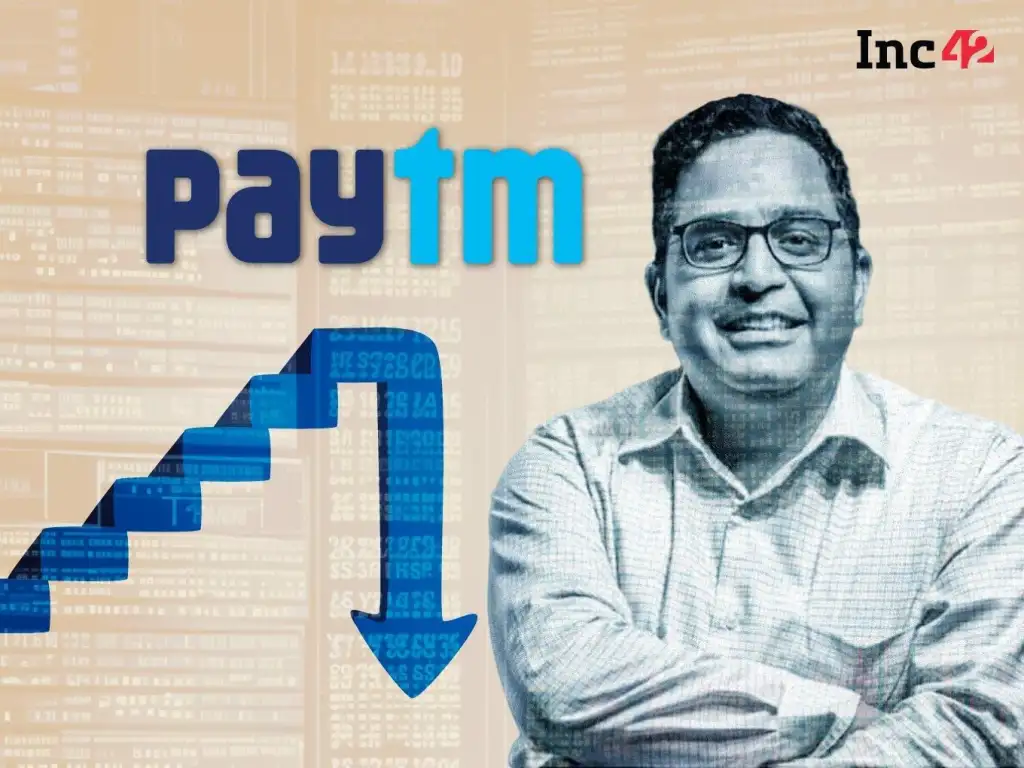
Image credit: https://inc42.com/features/paytm-lost-postpaid-magic/
3. Meesho – A Low-Cost E-commerce Struggle
Meesho, a social commerce startup focusing on small retailers and resellers, has rapidly expanded but faces existential risks due to its high cash burn and competition from giants like Amazon and Flipkart.
Key Issues:
- Unsustainable discounts: Meesho’s deep discount model is not sustainable in the long run.
- Seller dissatisfaction: Growing complaints from vendors about unfair policies and delayed payments could hurt its credibility.
- Investor pullout: Several venture capitalists have scaled back their investments due to profitability concerns.
Can These Startups Survive?
While each of these companies has faced challenges, survival depends on strategic pivots, cost-cutting, and profitability-focused growth. Byju’s may need to restructure its debt, Zomato could explore premium subscription models, and Meesho must balance discounting with sustainable revenue streams.
Conclusion
India’s startup ecosystem is evolving, and only those that can adapt to market realities will endure. Paytm’s struggles serve as a cautionary tale for other high-burn, low-profitability startups. Whether these three startups can navigate their challenges remains to be seen, but the road ahead is undoubtedly treacherous.
Alexander
|
2025.03.31


