
Alipay vs GrabPay: Which Chinese Wallet Dominates SEA Underground?
Introduction
In Southeast Asia (SEA), digital payments have rapidly transformed how people transact, with Alipay and GrabPay emerging as two major players. While these payment systems are widely recognized for their legitimate uses, they have also gained traction in underground economies, facilitating unregulated transactions. The rise of digital wallets in illicit trade raises concerns about financial oversight, money laundering, and cybersecurity threats.
This article examines Alipay and GrabPay in the context of SEA’s underground economy, exploring their adoption, security risks, and the regulatory challenges they pose.
The Growth of Alipay and GrabPay in SEA
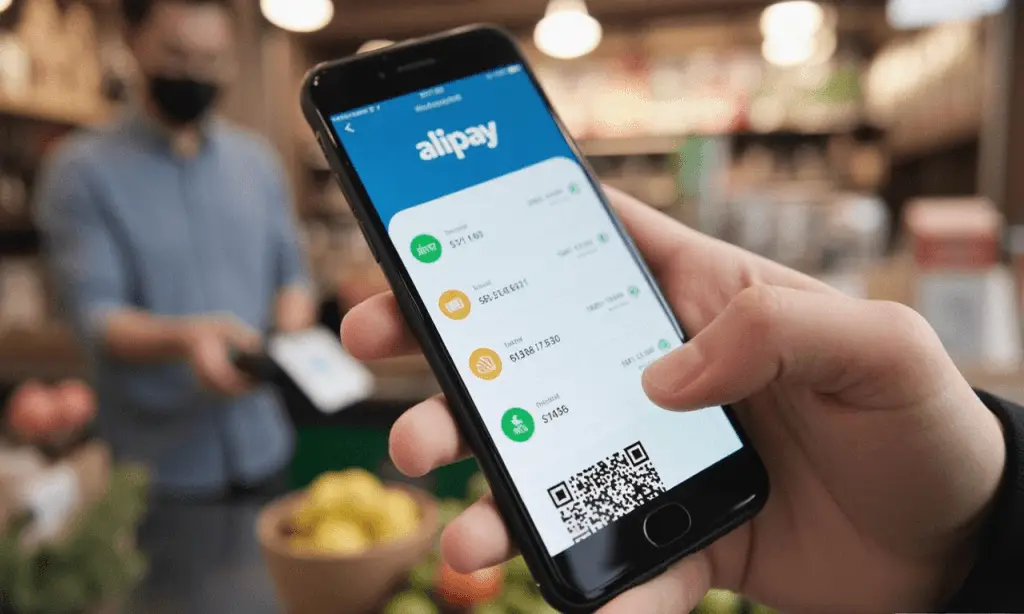
Alipay, owned by Ant Group, has long been a dominant force in China’s digital payments sector. With its expansion into SEA, particularly in tourist-heavy destinations, Alipay has become an essential tool for Chinese travelers and local merchants catering to them. Its integration into local financial ecosystems has been facilitated through partnerships with regional banks and payment providers.
On the other hand, GrabPay, the financial arm of Grab, has capitalized on its super-app ecosystem to drive digital transactions in SEA. GrabPay’s widespread adoption is bolstered by its ride-hailing, food delivery, and financial services, making it an attractive option for locals and expatriates alike.
While both platforms have significantly boosted digital payments in SEA’s formal economy, they have also found a niche in underground transactions.
Underground Economy: The Role of Alipay and GrabPay
The underground economy in SEA spans various illicit activities, including unauthorized currency exchanges, gray-market goods trading, and even money laundering operations. Digital wallets like Alipay and GrabPay offer discreet, borderless transactions that circumvent traditional banking oversight.
Alipay’s Influence
Alipay’s deep penetration in SEA is largely driven by Chinese expatriates, tourists, and traders. In the underground market, Alipay is frequently used for transactions involving smuggled goods, unregistered businesses, and informal cross-border trade. Since Alipay transactions can be linked to Chinese bank accounts rather than local ones, it provides an avenue for funds to flow outside regulatory scrutiny.
Furthermore, Alipay’s QR code payment system allows merchants to receive payments without an official business registration. This flexibility has been exploited by operators who prefer anonymity.
GrabPay’s Role
While GrabPay is more localized, it has also been used in informal economies, especially in peer-to-peer (P2P) transactions. Small vendors, street merchants, and informal service providers accept GrabPay due to its ease of use. However, unlike Alipay, GrabPay is more integrated into local regulatory frameworks, making it less favorable for large-scale illicit transactions.
Security Risks and Regulatory Challenges
Both platforms have implemented Know Your Customer (KYC) protocols, transaction monitoring, and fraud detection. However, the sheer scale of digital payments makes it challenging to detect and prevent illicit transactions in real-time.

Alipay’s Security Measures
Alipay employs AI-driven fraud detection and blockchain-based security to monitor transactions. However, due to its international nature, regulators in SEA struggle to enforce compliance. This has led to concerns about money laundering and the movement of illicit funds across borders.
GrabPay’s Regulatory Compliance
GrabPay is regulated under local financial authorities, making it more transparent than Alipay in SEA markets. Governments in countries like Singapore, Malaysia, and Indonesia have imposed stricter oversight on GrabPay transactions. Yet, gaps remain in monitoring P2P transactions, which can still be used for illicit purposes.
Conclusion: Who Dominates SEA’s Underground Economy?
While both Alipay and GrabPay have influenced SEA’s underground market, Alipay appears to be the preferred choice for large-scale illicit transactions due to its international reach and less stringent local oversight. GrabPay, though involved in informal economies, operates under tighter regional regulations, making it less attractive for major underground transactions.
Governments in SEA must enhance cross-border financial cooperation and digital wallet regulations to curb the misuse of such platforms in illicit economies. Striking a balance between financial innovation and security will be crucial in managing the risks associated with digital payments.
Disclaimer: This article is for informational purposes only and does not endorse or encourage illicit financial activities. Digital payments play a vital role in economic development, but their use in underground economies presents regulatory and security challenges that authorities must address.
Olivia
|
2025.03.31


