
Myanmar Junta Bans Mobile Money: The USDT Black Market Boom
The military junta in Myanmar has taken a drastic step by banning mobile financial services, a move that has sent shockwaves through the country’s economy. With millions of citizens relying on digital transactions for daily purchases, remittances, and even savings, the ban has left people scrambling for alternatives. In this void, the use of the cryptocurrency Tether (USDT) has surged, fueling a thriving black market for digital transactions. As Myanmar’s economy becomes increasingly isolated, USDT has emerged as a tool of financial survival, but at significant risk to users and the broader economy.
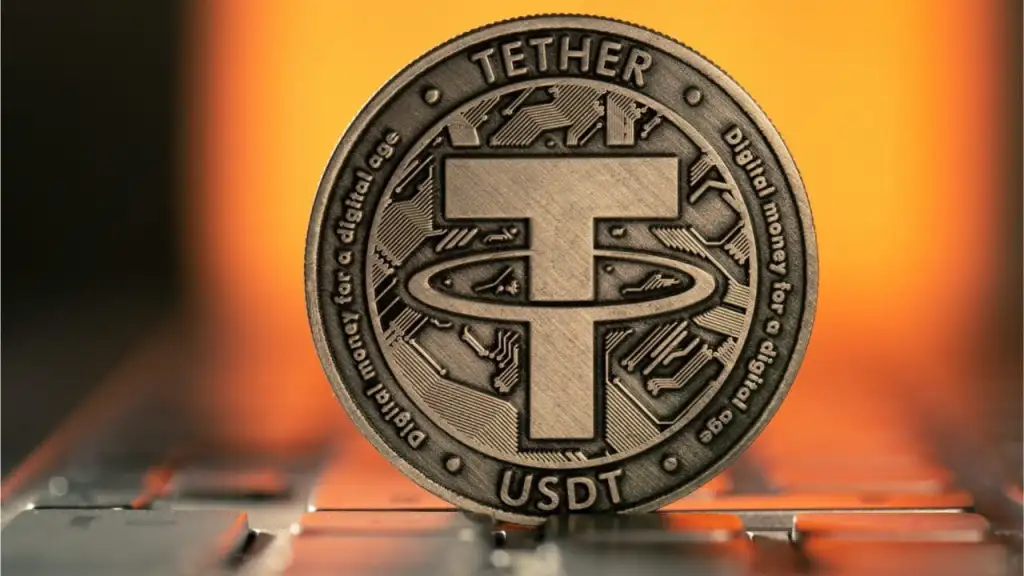
Image credit: https://prestmit.io/blog/what-you-need-to-know-about-myanmars-declaration-of-usdt-as-official-currency
Myanmar’s Digital Economy Disrupted
Before the military takeover in 2021, mobile money services such as Wave Money and KBZPay were expanding rapidly, helping to bridge the gap for millions of unbanked citizens. With an unreliable banking infrastructure and a cash-strapped economy, mobile financial services became a crucial part of daily life. However, the recent decision by the junta to ban mobile money services has effectively cut off this vital lifeline.
The government claims that the crackdown is necessary to prevent money laundering and financial fraud, but many see it as a tactic to tighten control over the economy. In a country where the banking system is fragile, and trust in financial institutions is low, banning mobile money services has led to economic chaos. As cash shortages worsen and banks impose strict withdrawal limits, citizens are desperately seeking alternatives to move and store their money securely.
The Rise of USDT in Myanmar’s Underground Economy
With mobile transactions halted, many in Myanmar have turned to USDT, a stablecoin pegged to the US dollar. Unlike traditional cryptocurrencies such as Bitcoin, USDT offers price stability, making it an attractive choice for people looking to protect their savings. As a result, an underground financial network facilitating USDT transactions has flourished.
Black market traders, who once primarily dealt in physical cash and gold, have now shifted to digital currencies. Transactions take place on encrypted messaging apps such as Telegram and Signal, where buyers and sellers negotiate rates and execute trades outside the government’s control. This rapid adoption of USDT is not just a response to financial instability but also a form of resistance against the junta’s economic policies.
How USDT Transactions Work in Myanmar
The mechanics of USDT transactions in Myanmar are relatively simple but involve certain risks. Typically, individuals looking to purchase USDT will reach out to underground traders via messaging apps. The buyer transfers local currency—often in cash or through informal money transfer networks—to the seller, who then sends the equivalent amount in USDT to the buyer’s crypto wallet.
Since Myanmar’s financial system does not officially support cryptocurrency transactions, these deals are entirely off the books. Many traders rely on cross-border remittance networks to access USDT, often leveraging connections in neighboring countries such as Thailand, China, and Singapore. This decentralized system enables people to bypass traditional banking constraints, but it also exposes them to scams, fraud, and the risk of government crackdowns.
Risks and Consequences of the USDT Black Market
While USDT provides an alternative to the junta-controlled financial system, its widespread use carries significant risks. First, dealing in an unregulated market leaves users vulnerable to fraud. Without legal protection, there is little recourse for individuals who fall victim to scams or unfair exchange rates.
Second, the junta is likely to respond with harsh measures to curb the growing use of USDT. Authorities have already cracked down on unofficial financial networks, and those caught using or trading USDT could face severe penalties. The junta has the ability to monitor internet traffic and mobile communications, raising concerns about digital surveillance and potential arrests.
Lastly, the reliance on USDT and other cryptocurrencies could further destabilize Myanmar’s already fragile economy. If the use of USDT continues to expand, the local currency (kyat) may weaken even further, exacerbating inflation and economic hardship. The junta’s rigid economic policies, combined with a lack of viable financial alternatives, could push the country deeper into financial turmoil.

The Future of Financial Transactions in Myanmar
As Myanmar’s economy faces increasing challenges, the financial landscape is shifting toward more decentralized and underground methods of transaction. The rise of USDT highlights the growing distrust in the junta’s economic policies and the desperate search for stable financial solutions.
While cryptocurrencies offer a temporary workaround, they are not a long-term fix. Without a formal financial structure to support digital payments, the risks of fraud, instability, and government crackdowns remain high. As the junta tightens its grip on financial transactions, Myanmar’s citizens will continue to adapt, finding innovative ways to survive in an economy that is becoming increasingly restricted.
Conclusion
The ban on mobile money in Myanmar has led to the rapid growth of USDT transactions, creating a new digital black market. While USDT provides a way for citizens to conduct financial transactions outside the junta’s control, it also comes with risks of fraud, government crackdowns, and economic instability. As Myanmar navigates this uncertain financial landscape, the reliance on alternative financial networks will likely persist, shaping the country’s economic future in unpredictable ways.
Disclaimer:
This article is for informational purposes only and does not constitute financial or legal advice. The use of cryptocurrencies in restricted regions carries legal risks, and readers should exercise caution and consult with professionals before engaging in financial transactions.


