
Myanmar-China Border Trade: The $5B Underground Yuan Pipeline
Introduction
The Myanmar-China border has long been a crucial hub for trade, both legal and illicit. While official trade flows are substantial, an underground financial pipeline worth an estimated $5 billion operates beneath the surface. This shadowy system facilitates transactions in yuan, bypassing regulatory oversight and enabling cross-border commerce between traders, businesses, and illicit networks.
This article delves into the mechanics of this underground yuan pipeline, its impact on Myanmar and China, the risks involved, and the broader implications for financial regulation and regional stability.
The Structure of the Underground Yuan Trade
Unlike conventional trade settlements that rely on banking systems and government oversight, the underground yuan pipeline operates outside official channels. It primarily involves:
- Hawala-like Informal Remittance Networks – Merchants on both sides of the border use trusted brokers who facilitate yuan transactions without involving banks.
- Cash Smuggling – Yuan is physically transported across the border in large sums, avoiding electronic tracking.
- Crypto Conversions – Some traders have shifted to cryptocurrencies like USDT (Tether) to facilitate cross-border settlements while avoiding financial scrutiny.
The underground yuan system thrives due to China's capital controls and Myanmar's reliance on the Chinese currency for trade. Since Myanmar's economy is deeply intertwined with China’s manufacturing and resource sectors, many transactions occur in yuan rather than Myanmar kyat or US dollars.
The Role of Border Towns and Special Economic Zones
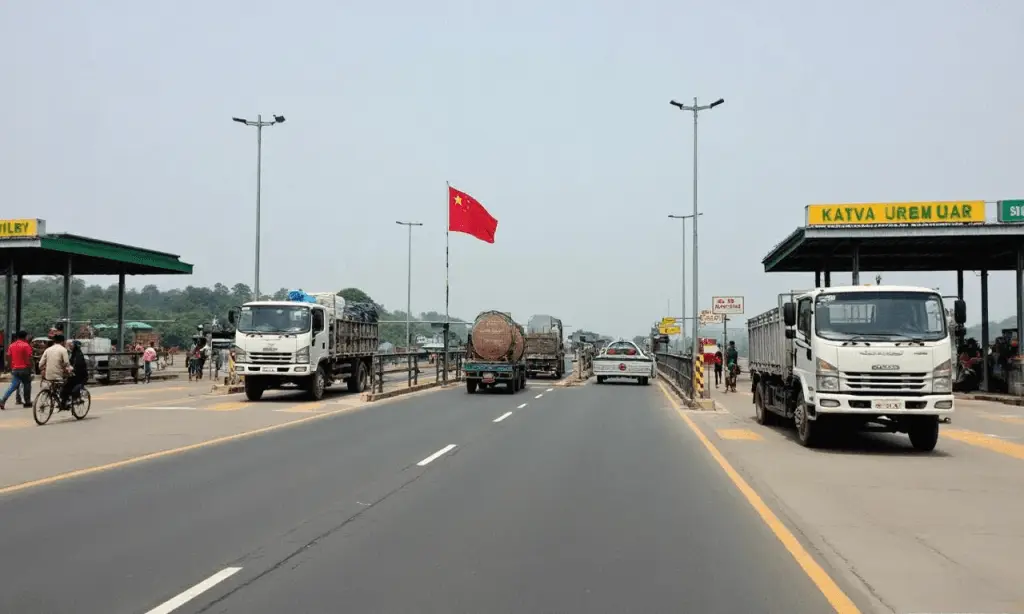
Several border towns, such as Muse in Myanmar and Ruili in China, act as hotspots for underground trade. These areas serve as key entry points for goods, money, and financial flows, with many businesses operating in a legal gray area.
- Muse (Myanmar) – The largest land trade hub between Myanmar and China, where significant amounts of yuan are exchanged daily.
- Ruili (China) – A border city where traders use informal money changers to convert yuan into kyat and vice versa.
- Special Economic Zones (SEZs) – Certain SEZs in Myanmar provide a semi-legal framework for businesses that rely on yuan trade.
Despite crackdowns by Chinese authorities, these border trade networks continue to function, driven by demand for Chinese goods, labor, and investment in Myanmar.
The Impact on Myanmar’s Economy
The underground yuan trade has both positive and negative effects on Myanmar’s economy.
Benefits
- Facilitates Trade – Many businesses in Myanmar depend on Chinese imports, and access to yuan makes transactions smoother.
- Stabilizes Exchange Rates – Since Myanmar’s financial system faces instability, informal yuan trade helps mitigate currency fluctuations.
- Employment Opportunities – Border trade generates jobs, especially in transport, logistics, and market trading.
Risks and Drawbacks
- Lack of Financial Oversight – With billions circulating outside regulated systems, tax evasion and illicit activities thrive.
- Rise in Money Laundering – Criminal networks exploit the system to launder proceeds from illegal activities, including drug trafficking.
- Increased Dependence on China – Myanmar's reliance on yuan trade makes its economy vulnerable to Chinese policy changes.
China's Perspective: Economic and Security Concerns
For China, the underground yuan trade presents both advantages and risks.
Benefits for China
- Supports Chinese Businesses – Many Chinese traders and manufacturers benefit from informal transactions with Myanmar.
- Boosts Regional Influence – A strong yuan presence in Myanmar strengthens China's economic grip on its neighbor.
Risks for China
- Capital Flight – The illicit movement of yuan out of China raises concerns about capital control violations.
- Fraud and Financial Crimes – Some underground transactions are linked to fraud, including online gambling and scams targeting Chinese citizens.
- Geopolitical Tensions – The rise of unregulated financial networks complicates China's relations with Myanmar's government.
Government Crackdowns and Future Outlook
Both Myanmar and China have attempted to curb underground yuan trade, but enforcement remains challenging.
- China’s Crackdowns – Authorities have shut down illegal money exchange operations in border towns and increased surveillance of cross-border transactions.
- Myanmar’s Regulatory Gaps – Myanmar’s financial infrastructure remains weak, making it difficult to enforce strict banking regulations.
Looking ahead, stronger cooperation between both governments, digital payment integration, and improved financial monitoring could help reduce illicit transactions. However, as long as demand for yuan remains high and regulatory loopholes persist, the underground yuan pipeline is unlikely to disappear completely.
Conclusion
The $5 billion underground yuan pipeline between Myanmar and China highlights the complexities of border trade and financial regulation. While it facilitates commerce, it also creates economic risks, encourages illicit activities, and challenges government oversight. For policymakers, balancing economic cooperation with financial security will remain a key challenge in managing this shadowy financial ecosystem.
Disclaimer
This article is for informational purposes only and does not constitute financial, legal, or investment advice. The information presented is based on available sources and should not be considered as an endorsement or encouragement of any illegal activities. Readers should conduct their own research and consult professionals before making financial decisions related to cross-border trade.
Alexander
|
2025.03.31


