
Free Credit Score Trick: How Indians Get 800+ Without Cards
In recent years, credit scores have become an essential part of financial life in India, determining eligibility for loans, credit cards, and even some job opportunities. Many individuals believe that obtaining a high credit score requires having a credit card or taking on debt. However, it’s entirely possible to achieve an 800+ credit score in India without a credit card. In this article, we’ll explore effective tricks and strategies that can help Indians build an excellent credit score, even without using credit cards.

Understanding the Credit Score in India
A credit score is a numerical representation of an individual's creditworthiness, ranging from 300 to 900 in India. A higher score indicates better creditworthiness, which lenders and financial institutions use to evaluate whether an individual is a responsible borrower.
In India, the three major credit bureaus—CIBIL (Credit Information Bureau India Limited), Experian, and Equifax—are responsible for calculating credit scores. These agencies use various factors to determine an individual’s score, including payment history, credit utilization, length of credit history, and the types of credit used. For a person with no credit cards, the score might initially be lower, but there are ways to improve it over time.
The Free Credit Score Trick
While many assume that credit cards are essential for building a good credit score, there are alternative ways to achieve an excellent score without them. Here are the most effective tricks to get an 800+ credit score in India:
- Become an Authorized User on Someone Else’s Credit Card One of the easiest tricks to improve your credit score without owning a credit card is by becoming an authorized user on a family member’s or friend’s credit card account. As an authorized user, you are added to the credit card's account, and the credit history is reported to the credit bureau, helping you build a credit score. It’s crucial that the primary cardholder maintains a good payment record, as any missed payments will affect both parties’ scores.
- Pay Your Bills on Time Timely payments of utility bills, rent, and loan installments can have a significant impact on your credit score. In India, rent payments are often not reported to credit bureaus, but services like CREDITMANTRA allow tenants to report their rent payments to build credit. Similarly, paying your phone, electricity, and water bills consistently can also improve your credit score, as these payments may be considered by some bureaus to assess your creditworthiness.
- Get a Loan for Small Expenses Taking out a small loan and repaying it on time can help improve your credit score. Personal loans, microloans, and even education loans are options you can explore. The key to this trick is making sure you repay the loan on time and do not miss any payments. Loans with shorter terms and lower amounts are ideal, as they carry lower risks and are easier to repay without accumulating interest.
- Use a Secured Credit Card If you don’t have a credit card but still want to build your score, you can consider a secured credit card. This type of card requires you to deposit an amount (usually equal to the credit limit) with the bank as collateral. Although it functions like a regular credit card, it reduces the risk for the lender, as they have access to your deposit in case you fail to pay your bills. Regular use of the secured card and timely repayments can help you build a solid credit history.
- Opt for a Credit Builder Loan Some financial institutions offer credit builder loans, which are small loans that are designed specifically to help people improve their credit scores. These loans are often secured by a savings account or fixed deposit. By repaying the loan installments on time, you can demonstrate your creditworthiness and boost your credit score.
- Maintain a Low Credit Utilization Ratio Even if you don’t have a credit card, it’s essential to keep your credit utilization ratio low. The credit utilization ratio is the amount of credit you’re using compared to your total available credit. This ratio plays a crucial role in determining your credit score. While this primarily applies to credit card users, it’s equally important to manage other forms of credit, such as personal loans, to avoid exceeding the credit limit and affecting your score.
- Track Your Credit Score Regularly Monitoring your credit score regularly will help you stay on top of any changes or discrepancies. In India, several platforms like CIBIL and BankBazaar offer free credit score reports. If you notice any errors, it’s crucial to dispute them promptly to avoid negative impacts on your credit score.
- Opt for Experian Boost If you’re looking to build your credit without using a credit card, some agencies like Experian offer programs that allow you to boost your score by including regular bill payments such as rent, utilities, and phone bills in your credit history. This program can help individuals with no traditional credit accounts get recognized for their timely payments and improve their credit score.
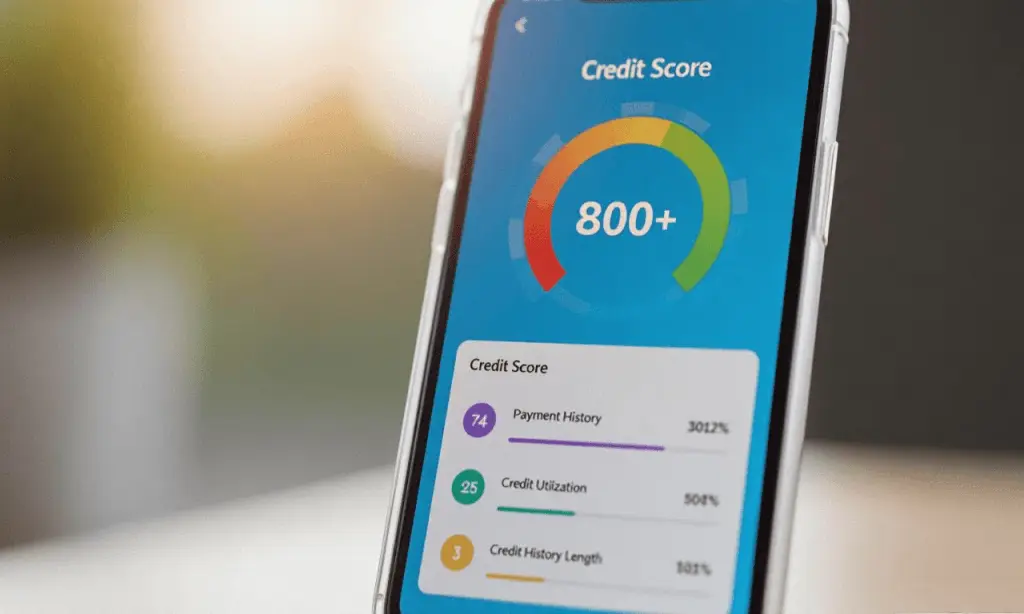
The Importance of a Good Credit Score
A high credit score of 800+ can open several doors in your financial life. It can help you secure lower interest rates on loans and credit cards, giving you the ability to save money in the long run. Additionally, a good credit score is often required for renting an apartment or securing a job in certain industries, as it reflects your reliability and responsibility.
How to Maintain Your Credit Score?
Once you’ve achieved a good credit score, it’s important to maintain it. Here are a few tips to keep your score high:
- Avoid Missing Payments: Missing payments on any loan or utility can drastically lower your credit score.
- Keep Your Credit Report Clean: Check your credit report regularly for errors and ensure that no unauthorized accounts or missed payments are listed.
- Limit Loan Applications: Applying for too many loans or credit cards in a short period can hurt your credit score. Only apply when necessary.
Conclusion
Achieving an 800+ credit score in India without using credit cards is absolutely possible, but it requires discipline and smart financial management. By becoming an authorized user, paying bills on time, taking out small loans, and using credit-builder tools, you can build a strong credit history. Keep in mind that improving your credit score is a gradual process, and consistency is key.
Disclaimer
The information provided in this article is intended for general informational purposes only. The methods described here are not guaranteed to improve your credit score and may vary based on individual circumstances and credit bureaus. It is always recommended to consult with a financial expert before making decisions related to credit building.
Taylor
|
2025.03.31


