
Bangladesh’s ‘Suicide Loans’: 400% Interest on $50 Borrowings
Introduction
Bangladesh, a country known for its rapid economic growth and thriving garment industry, faces a hidden crisis—one that affects its poorest citizens the most. Microloans, once hailed as a financial solution for low-income individuals, have taken a dark turn. Many borrowers, desperate for financial relief, find themselves trapped in a vicious cycle of debt due to exorbitant interest rates. In some cases, these loans carry an annual interest rate of up to 400%, pushing borrowers into financial ruin and, tragically, even suicide.
This article explores the harsh reality of these so-called "suicide loans," their devastating impact on vulnerable communities, and the urgent need for regulatory intervention.
The Rise of Microfinance in Bangladesh
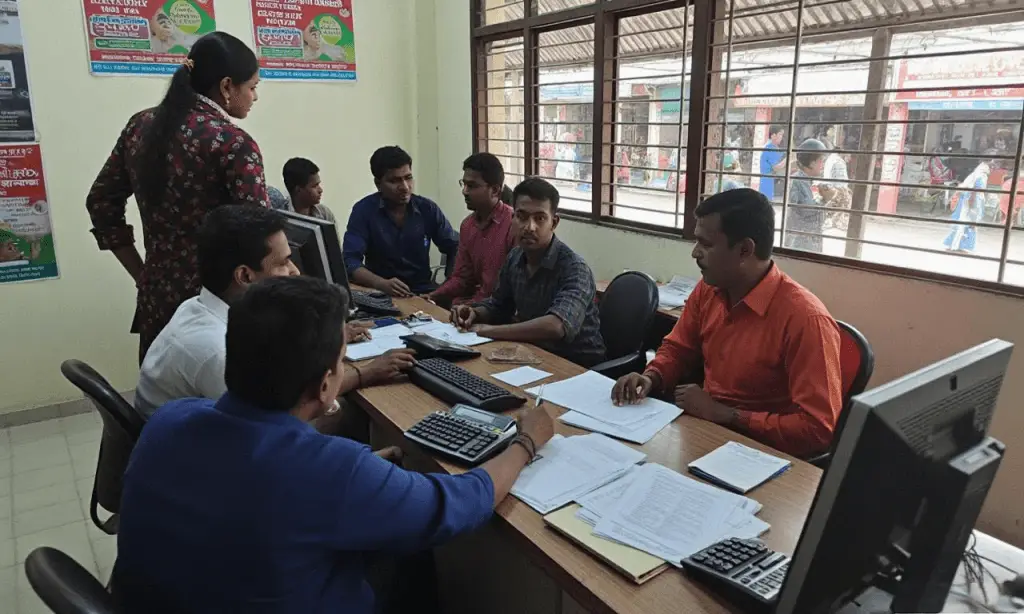
Microfinance has long been a cornerstone of Bangladesh’s efforts to alleviate poverty. The country is home to renowned microfinance institutions (MFIs) like Grameen Bank and BRAC, which were initially established to provide small loans to impoverished individuals, particularly women, to help them start businesses and improve their livelihoods.
However, in recent years, an increasing number of private lenders and smaller financial institutions have entered the microloan industry, often operating without proper oversight. These lenders exploit borrowers by imposing exorbitant interest rates, hidden fees, and aggressive debt collection practices.
How a $50 Loan Turns Into a Nightmare
For many low-income Bangladeshis, borrowing small amounts—often as little as $50—is a necessity to cover daily expenses, medical emergencies, or school fees. However, the terms of these loans can be crippling.
Here’s how the cycle begins:
- Initial Loan: A borrower takes a loan of $50 with the promise of easy repayment.
- High Interest Rates: The lender charges an annual interest rate of 300–400%, meaning the borrower must repay far more than the original loan amount.
- Short Repayment Periods: Many loans require repayment within a few weeks, making it nearly impossible for borrowers to generate enough income to cover both the principal and interest.
- Loan Rollovers: When borrowers fail to repay on time, lenders offer another loan to cover the debt—this time with even higher interest rates.
- Aggressive Collection Practices: Borrowers face constant harassment, social humiliation, and, in some cases, even physical threats from lenders.
Real-Life Consequences: The Human Cost of Exploitative Lending
Many borrowers fall into a debt trap where they spend years trying to repay an amount that keeps growing due to compounding interest. The consequences are devastating:
- Mental and Physical Stress: The burden of debt leads to extreme anxiety, depression, and deteriorating health.
- Family Breakdown: In some cases, financial stress causes conflicts among family members, leading to separations or domestic violence.
- Suicides: Some borrowers, unable to see a way out of their financial struggles, resort to taking their own lives.
A tragic case that shook the nation involved a 38-year-old woman from a rural village who took her life after being harassed by debt collectors. She had initially borrowed $75 to pay for her son's medical treatment but found herself owing nearly $300 due to interest accumulation and penalties. Despite working tirelessly, she was unable to escape the cycle of debt.
Why These Loans Continue to Thrive
Several factors contribute to the continued rise of high-interest microloans in Bangladesh:
- Lack of Regulation: Many microfinance lenders operate in legal gray areas, escaping government scrutiny.
- Limited Financial Literacy: Many borrowers do not fully understand the terms of the loans they take.
- Desperation: When faced with urgent financial needs, people have no choice but to accept any available loan.
- Social Pressure: Women, in particular, are often pressured by their families to take loans, even if they cannot afford repayment.

Steps Needed to Address the Crisis
To combat the exploitative nature of these loans, several actions must be taken:
- Stronger Regulation: The Bangladeshi government should implement stricter controls on interest rates and lending practices.
- Financial Education: Awareness campaigns should be launched to educate citizens on fair lending practices and financial management.
- Accessible Formal Banking Services: Expanding access to low-interest loans from reputable banks and credit unions can reduce reliance on predatory lenders.
- Mental Health Support: NGOs and government agencies should provide psychological support for those struggling with financial stress.
Conclusion
Bangladesh’s microloan system, once a beacon of hope for the poor, has turned into a financial nightmare for many. Predatory lenders exploiting the most vulnerable individuals must be held accountable, and urgent reforms are needed to protect borrowers from falling into the deadly trap of suicide loans.
Without immediate intervention, countless families will continue to suffer under the weight of impossible debts, and the very financial system meant to empower them will instead drive them into despair.
Disclaimer
This article is intended for informational purposes only. It does not constitute financial advice, nor does it endorse any specific financial institution or loan service. Readers are encouraged to seek professional financial guidance before taking any loans.
Olivia
|
2025.03.31


