
Bangladesh Health Insurance Trap: 92% Claims Rejected in 2024
Introduction
Health insurance is supposed to provide financial relief during medical emergencies, but in Bangladesh, the reality is far from reassuring. In 2024, an alarming 92% of health insurance claims were rejected, leaving policyholders helpless. The insurance industry, which should serve as a safety net, has instead become a source of frustration for millions. This article delves into the reasons behind the high rejection rate, the impact on policyholders, and what can be done to fix the system.

The Promise vs. The Reality
Health insurance is marketed as a solution to the rising cost of medical care. Companies promise coverage for hospital bills, doctor visits, and medication costs. However, when policyholders file claims, they often encounter obstacles that make reimbursement nearly impossible.
According to recent reports, insurers in Bangladesh are using technicalities to deny payments, with common reasons including:
- Pre-existing conditions: Many claims are rejected on the grounds that the illness was present before the policy was purchased, even when there is no evidence to support this.
- Incomplete documentation: Even minor paperwork errors can result in claim denial.
- Ambiguous policy terms: Many policies contain vague language that allows insurers to refuse payment based on their interpretation.
- Delayed submissions: Some claims are rejected simply because they were not filed within an insurer’s strict time frame.
The Devastating Impact on Families
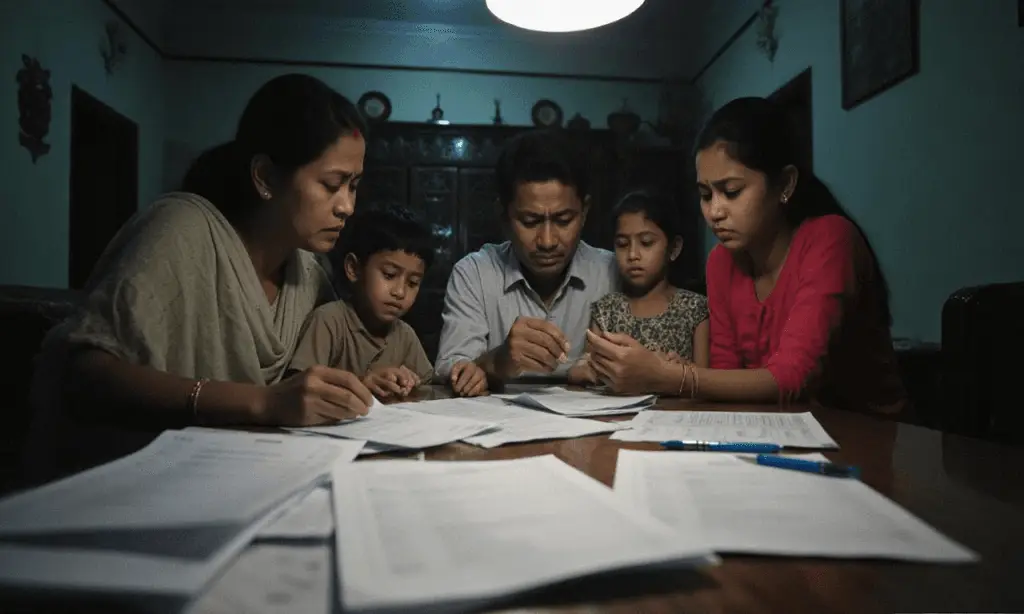
With 92% of claims being denied, thousands of families have been left to bear the full cost of expensive medical treatments. Many have been forced to take out loans, sell assets, or forgo treatment altogether.
Consider the case of Amina Begum, a garment worker in Dhaka. She purchased health insurance to protect her family, but when her husband was hospitalized for a heart condition, her claim was denied due to an "undisclosed pre-existing condition." She was left with a hospital bill she could not afford, pushing her family into debt.
Such stories are becoming increasingly common, as the insurance industry prioritizes profit over people.
The Role of Regulatory Authorities
The Insurance Development and Regulatory Authority (IDRA) of Bangladesh is responsible for overseeing the industry. However, weak enforcement has allowed insurers to exploit loopholes. While regulations exist to protect policyholders, companies frequently find ways to bypass them.
Experts suggest several measures to address the crisis:
- Stronger consumer protection laws: Stricter regulations can prevent unfair claim denials.
- Transparent policies: Insurers should be required to provide clear, easy-to-understand policies.
- Independent review boards: Third-party oversight can ensure fair claim assessments.
- Public awareness campaigns: Educating consumers about their rights can help them fight unfair denials.
What Can Policyholders Do?
If you have health insurance in Bangladesh, here are steps to improve your chances of claim approval:
- Read the policy carefully: Understand the terms, conditions, and exclusions before purchasing.
- Document everything: Keep copies of medical reports, prescriptions, and hospital bills.
- File claims promptly: Submit claims as soon as possible to avoid deadline issues.
- Seek legal help if necessary: If your claim is unfairly denied, consider consulting a lawyer or approaching consumer protection agencies.
Conclusion
The 92% rejection rate of health insurance claims in Bangladesh exposes a deeply flawed system that fails the people it is supposed to protect. Urgent reforms are needed to ensure fairness and transparency in the industry. Until then, consumers must be vigilant, informed, and prepared to challenge unjust claim denials.
Disclaimer
This article is for informational purposes only and does not constitute financial, legal, or medical advice. Readers are encouraged to consult professionals for guidance regarding insurance policies and claims.
Olivia
|
2025.03.31


