
Telenor Bank Pakistan: How a Telecom Killed Traditional Banking
Introduction
In the past decade, Pakistan’s banking sector has witnessed a dramatic transformation, thanks to the rise of digital and branchless banking. One of the most significant players in this shift has been Telenor Bank Pakistan, which redefined the way people manage their finances. Originally a telecom giant, Telenor ventured into banking with its Easypaisa service, which soon became a household name. But how did a telecom company disrupt the traditional banking industry? And what lessons can be learned from its success?
This article explores the rise of Telenor Bank, the impact of Easypaisa, and the decline of conventional banking in Pakistan.
The Birth of Telenor Bank
Telenor Bank Pakistan, formerly known as Tameer Microfinance Bank, became a major player in the financial landscape after Telenor acquired a majority stake in it in 2008. The acquisition allowed Telenor to introduce Easypaisa, Pakistan’s first and most successful mobile financial service, in 2009.
At the time, traditional banking was inaccessible to a significant portion of the Pakistani population. With a low bank account penetration rate and a large unbanked population, Pakistan was an ideal market for branchless banking. Telenor leveraged its extensive telecom network to provide financial services to millions who had never used a bank before.
Easypaisa: A Game Changer
Easypaisa revolutionized banking in Pakistan by making financial transactions as simple as sending a text message. Here’s how it disrupted the banking industry:
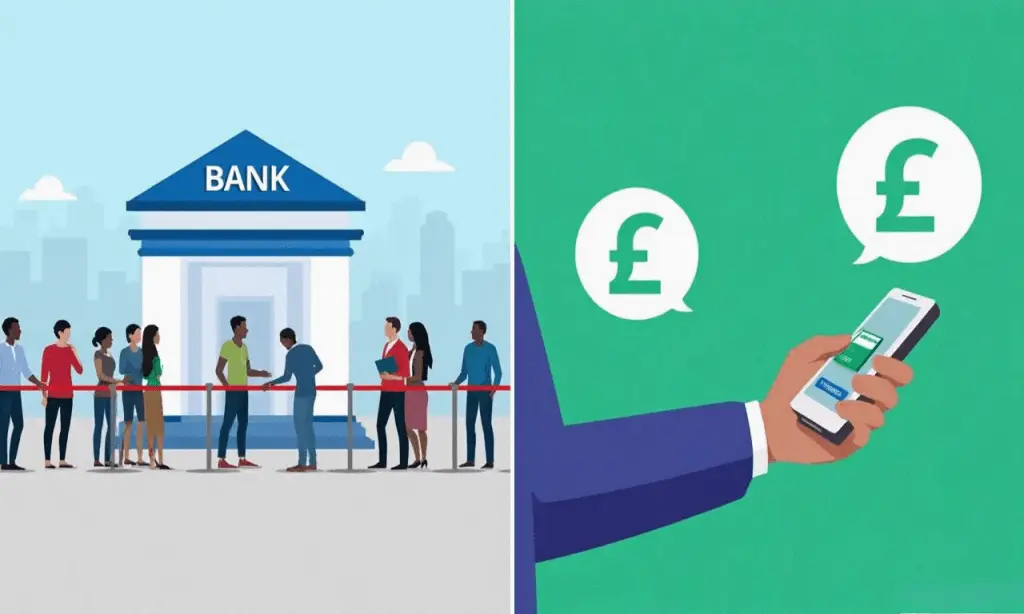
- Accessibility – Traditional banks require customers to visit physical branches, fill out forms, and provide extensive documentation. Easypaisa eliminated this hassle by allowing anyone with a mobile phone to send and receive money.
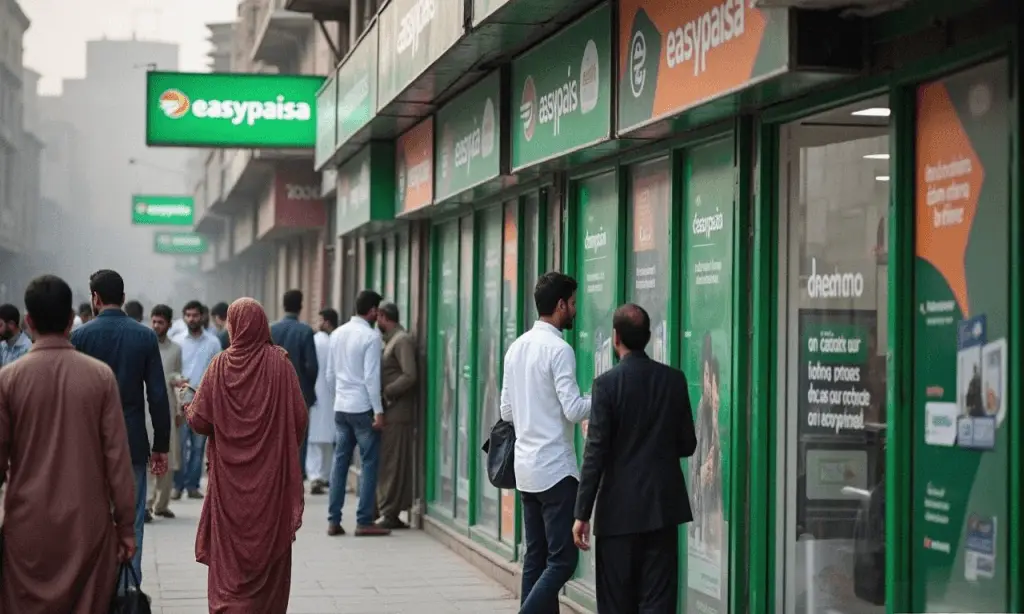
- Widespread Network – With thousands of Easypaisa agents spread across the country, people could deposit and withdraw money conveniently, even in remote areas.
- Inclusive Banking – Many people in Pakistan lack formal identification required for bank accounts. Easypaisa allowed transactions through mobile numbers, making it accessible to the masses.
- Low Transaction Costs – Unlike traditional banks, which charge maintenance fees and transaction costs, Easypaisa offered lower fees, making digital transactions more affordable.
- Speed and Convenience – Transferring money through Easypaisa took seconds, compared to the lengthy procedures of conventional banking.
This combination of factors led to rapid adoption. By 2020, Easypaisa had over 20 million active users and a network of 150,000 agents across Pakistan.
The Fall of Traditional Banks
Telenor Bank’s success came at the cost of traditional banking institutions, which struggled to keep up. Here’s why:
1. Failure to Adapt
Traditional banks were slow to embrace digital transformation. While Easypaisa made financial services available through a mobile phone, conventional banks relied on outdated brick-and-mortar models. This reluctance to modernize led to a loss of customers, especially among the youth and low-income groups.
2. Limited Reach
Most banks in Pakistan cater to urban areas, leaving rural populations underserved. In contrast, Telenor Bank expanded financial services to remote villages, where people had no prior access to banking.
3. Cumbersome Procedures
Opening a bank account in Pakistan traditionally required lengthy paperwork, proof of income, and multiple visits to the bank. Easypaisa eliminated these barriers, making banking effortless.
4. Trust and Reliability
Easypaisa’s partnership with Telenor gave it a significant advantage in terms of brand trust. Many users, already familiar with Telenor as a telecom provider, felt more comfortable using Easypaisa than dealing with conventional banks.
The Rise of Digital Banking in Pakistan
Following Telenor Bank’s success, several other digital financial services emerged, further challenging traditional banks. Key players in the industry now include:
- JazzCash – A competitor to Easypaisa, launched by Jazz Telecom, which quickly gained market share.
- NayaPay & Sadapay – New fintech startups providing digital wallets and banking services without physical branches.
- UBL Omni & HBL Konnect – Conventional banks’ response to branchless banking, but they struggled to match Easypaisa’s reach.
Challenges and Criticism
Despite its success, Telenor Bank and Easypaisa have faced several challenges:
- Regulatory Issues – The State Bank of Pakistan (SBP) has imposed strict regulations on digital banking, requiring Know Your Customer (KYC) compliance and transaction monitoring.
- Cybersecurity Risks – With the rise of mobile banking, concerns over fraud, data breaches, and hacking have increased.
- Service Downtime – Users sometimes face network issues and transaction failures, leading to frustration.
- Competition from New Fintech Players – As fintech startups grow, Easypaisa faces increasing competition.
What Can Traditional Banks Learn?
To survive in the digital era, traditional banks must adopt the following strategies:
- Invest in Mobile Banking – Banks need to develop user-friendly apps that offer services comparable to Easypaisa.
- Expand Digital Services – More online banking options, including instant transfers, bill payments, and micro-loans, are essential.
- Improve Customer Experience – Streamlining account opening processes and reducing paperwork can attract more users.
- Partner with Fintech Companies – Instead of competing, banks can collaborate with fintech firms to provide innovative financial solutions.
Conclusion
Telenor Bank Pakistan and Easypaisa have reshaped the financial industry by making banking accessible, affordable, and efficient. Their success highlights the power of digital transformation and the importance of adapting to technological advancements.
Traditional banks that fail to evolve risk becoming obsolete in the face of fast, convenient, and mobile-first financial services. The future of banking in Pakistan is undoubtedly digital, and Telenor Bank has paved the way for a cashless, branchless revolution.
Disclaimer:
This article is for informational purposes only and does not constitute financial or investment advice. The opinions expressed are based on research and publicly available data. Readers are encouraged to verify facts and consult financial experts before making any banking decisions.
Emily
|
2025.03.31


